
Notables

 It likely is no surprise to hear that people don’t always do the good they could — even if they want to.
When it comes to supporting political action around climate change, that reality is particularly stark. Analysis of a series of surveys of American adults spanning three years recently found a marked gap between the willingness of respondents to take political action with respect to global warming and the extent to which they actually did act.
In a series of six surveys from March 2021 to October 2023, researchers from George Mason University Center for Climate Change Communication and the Yale Program on Climate Change Communication asked thousands of respondents from a representative sample of U.S. adults whether they were willing to undertake four political actions related to global warming: sign a petition, donate funds, volunteer or contact government officials. They also asked which of these actions individuals actually took part in. Far fewer actually acted than said they would be likely to.
Looking more closely at those who expressed strong willingness to act, the study found that those for whom intention and action aligned were more likely than their non-acting counterparts and other Americans generally to talk and hear about global warming, acknowledge norms supporting climate action, and believe collective action makes a difference.

What does this suggest regarding ways to close the “attitude–behavior gap”? The researchers noted that, although their study is not able to show a causal connection, it does hint at ways those seeking climate solutions might motivate the predisposed to align their actions with their predisposition. Suggestions include:
1) Ask people who are willing to take action to do so.
2) Make action easy.
3) Offer options so they can follow their personal preferences.
4) Point out how action supports their values and goals.
5) Provide examples of instances in which action has made a difference.
6) Talk about climate change.
7) Encourage others to talk about climate change.
8) Tell stories that normalize climate action.
— April 8, 2024

We’ve known for a long time that improving the built environment’s energy efficiency is good for the planet. A recent report by McKinsey Sustainability makes it clear how good it can be for business, too. And with nearly one-quarter of human-produced greenhouse gases tied to making, transporting and using building materials, and/or operating the things they’re used to build, identifying low-cost, low-carbon alternatives holds potentially huge payoffs.
“Building value by decarbonizing the built environment,” published in June 2023, details the most promising of more than 1,000 strategies for reducing the climate impact of the built environment. For each, the researchers analyzed the potential reduction in greenhouse gas emissions; cost or savings compared with alternatives; and potential cost or savings if the technology or practice were scaled. They then sorted the best strategies according to the different categories of built environment (single-family dwellings, commercial buildings, highways, etc.) while also considering location factors such as the regulatory environment and local climate.
According to the report, many carbon-cutting strategies don’t cost any more than conventional approaches but make a big difference in climate impact. For example, the researchers found that heat pumps, which can dramatically reduce carbon emissions from home heating and cooling, already are cost-competitive with conventional heating and cooling systems.
“Our analysis shows that many levers not only have proven abatement potential but are also already cost-effective,” the report notes. “In other words, companies across the built-environment ecosystem could derive value immediately from theses lower-emitting technologies and solutions.”
Not only that, but many more strategies could become cost-effective if entrepreneurs collaboratively take the opportunity to invest in developing the technologies and systems needed to bring them to scale. Specifically, the report details 17 areas that offer particularly promising opportunities for both high financial and high environmental returns on investment, clustered into eight main categories: 1) industrializing green materials production, 2) industrializing energy-efficient technology production, 3) making it easier to upgrade systems, 4) design and engineering, 5) electrifying construction, 6) reducing waste and speeding processes through offsite construction, 7) providing validation and certification of climate-friendly activities to build credibility, and 8) providing financing.
What’s standing in the way? A lack of awareness, reluctance on the part of insurers and banks to support new things, and a potential shortage of materials and labor to implement them, the report says. At the same time, it adds, innovators willing to step into untested space stand to substantially benefit by doing so at this inflection point in the industry. And the more, the better: If innovators collaborate across the board, the building sector’s climate impact could plummet 75%, according to the report.
“Decarbonizing the built environment is a significant challenge with the potential for equally significant value creation,” the authors conclude. “Despite the size of this task, there are clear actions that each player can take today to reduce the [building sector] ecosystem’s carbon footprint and capture value from new business opportunities.”
— January 18, 2024

We’ve long known that trees, parks and other green spaces can sequester carbon dioxide. But it turns out that’s just the tip of the iceberg as far as their ability to make the world a better place. When urban planners consider and work to maximize all effects on greenhouse gas emissions, the potential of these and other nature-based solutions (NBS) to contribute to climate goals multiplies many times over. In fact, if done right, NBS could help seven European cities achieve near if not total carbon-neutrality by 2030 — while also providing bountiful benefits related to resilience, biodiversity and human well-being.
In a paper published in Nature Climate Change in July, researchers from China, Sweden and the U.S. took a deep dive into how NBS can best contribute to the zero-carbon goals of 54 European cities. They found that green spaces and other nature-based greenhouse gas–mitigating infrastructure can do far more for climate than simply soak up carbon dioxide. By encouraging behavior changes such as walking, biking and gardening, as well as saving money and other resources, they also reduce greenhouse gas emissions.
“When all benefits are considered, NBS can contribute much more to urban climate neutrality goals than mere carbon sequestration effects,” the authors write.
To reach their conclusions, the researchers considered five types of NBS — green infrastructure, street trees and green pavement, green spaces and agriculture in cities, habitat remediation and preservation, and green buildings. They then assessed the potential emissions-reduction payoffs for 54 European cities by saving resources and money, reducing urban sprawl, encouraging environment-friendly behavior, improving microclimate, and storing carbon. They found the indirect climate benefits to be even greater than direct ones, with NBS able to reduce transport, residential and industrial emissions up to 25%.
Importantly, the research showed the significance of customizing the application of NBS to and within each city. For example, in Paris — where more than half of emissions come from residential areas — the best NBS approaches to apply are green infrastructure and green buildings, while in Stockholm, where the bulk of emissions are from transportation, maximum emissions reductions come from planting street trees and enhancing green spaces in cities.
“Identifying the carbon emissions reduction potential for different NBS provides valuable insight for policymakers and urban planners in prioritizing sustainable and effective solutions,” the authors conclude in a summary of their work. “By integrating NBS into city planning, and focusing especially on the indirect and behavioural effects of ecosystem services, there is an opportunity to create more climate-resilient and sustainable urban environments, improving the well-being of communities and reducing carbon emissions in the long term.”
— November 20, 2023
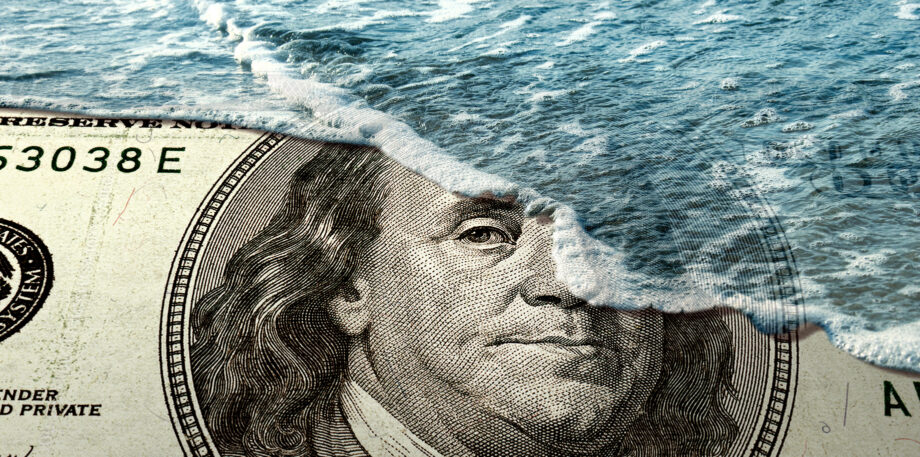
When people think of the impacts of climate change, they often focus on physical harm, such as loss of homes and businesses to wildfire, or illness due to floods, wildfire smoke or heat. That physical harm, however, can easily lead to financial devastation. And, as a new report from the U.S. Department of Treasury shows, this is particularly true for those living in vulnerable areas or who are already teetering on the edge of financial difficulty. Fortunately, the report also offers specific advice on how to prepare for and minimize the economic harm climate change can leverage at a personal level.
“The Impact of Climate Change on American Household Finances,” published earlier this month, describes the multiple financial threats that extreme heat, wildfire and floods pose, ranging from job loss, to increased energy costs, to reduced ability to afford or even qualify for insurance.
In addition to listing potential impacts, the report identifies parts of the country that are most likely to experience three primary climate change consequences: floods, wildfires and extreme heat. And it identifies and maps the location of certain populations, such as those with low income, historically marginalized groups, elders and the disabled, that are most likely to be on the edge financially and therefore particularly at risk. Overlaying the two analyses reveals three hot spots where high risk and high vulnerability converge: Appalachia, the Mississippi Delta region and states that border Mexico..
The report offers concrete advice for such communities, as well as policymakers and individuals, about ways to minimize the risk of going over the financial edge as climate change increases the frequency and impact of disasters.
First is simply becoming more aware of the many ways in which climate change can create financial stress. Second, communities can shore up infrastructure such as stormwater management systems and heat shelters, while local, state, and federal governments can boost financial resilience through initiatives such as offering emergency help and financial education. Individuals, for their part, can boost their resilience with proactive moves such as improving their homes’ energy efficiency. In addition, they can make sure they are adequately insured, adopt online bill payment and direct deposit of paychecks, and take other measures that will help them roll with the punches when they come along.
“Alongside risks to the physical environment and health, climate change already imposes substantial financial costs on communities across the United States,” the report notes. “Taken together, the findings in this report are intended to build recognition of the present and future financial challenges that households face from climate change, and opportunities and strategies for promoting social and economic resilience.” — October 18, 2023

Planting trees is one of the best things we can do to not only add beauty to our surroundings but also sequester carbon, support biodiversity and provide numerous other benefits to people and nature alike.
But which trees, where? Getting the answer to that question right plays a big role in the extent to which trees add value to the landscape and its nonhuman and human inhabitants. According to the 10 golden rules for large-scale tree planting, it’s important to choose trees species appropriate for the location in question, plant a variety rather than create a monoculture, make accommodations for a changing environment, and take the needs and interests of local people into consideration.
With tens of thousands of tree species to choose from worldwide, translating those recommendations into a detailed planting plan for a specific location can be a big challenge. But new work by researchers from Kenya, Denmark and the UK is simplifying the task. The international team recently launched an app called GlobalUsefulNativeTrees (GlobUNT) that provides customizable guidance for planning tree plantings to meet multiple benefits.
The researchers created GlobUNT by combining data on some 14,000 tree species and growing conditions in 242 countries and territories with information on how the various species meet 10 use categories: animal food, environmental uses, fuel, gene sources, human food, invertebrate food, materials, medicines, poisons and social uses. Users simply enter data on location, desired benefits and climate, then GlobUNT sifts through the database and returns a recommendation for a specific mix of species that fits the bill.
“Many current tree-planting initiatives for forest landscape restoration fail because they do not sufficiently consider the needs of the local communities who plant and tend them,” the researchers wrote last month in a paper in Nature describing the new resource. “[F]or any country where a project aims to implement tree planting schemes that aspire to maximise native tree biodiversity while addressing local community needs, GlobUNT will be a user-friendly source for practical information.”
— October 3, 2023
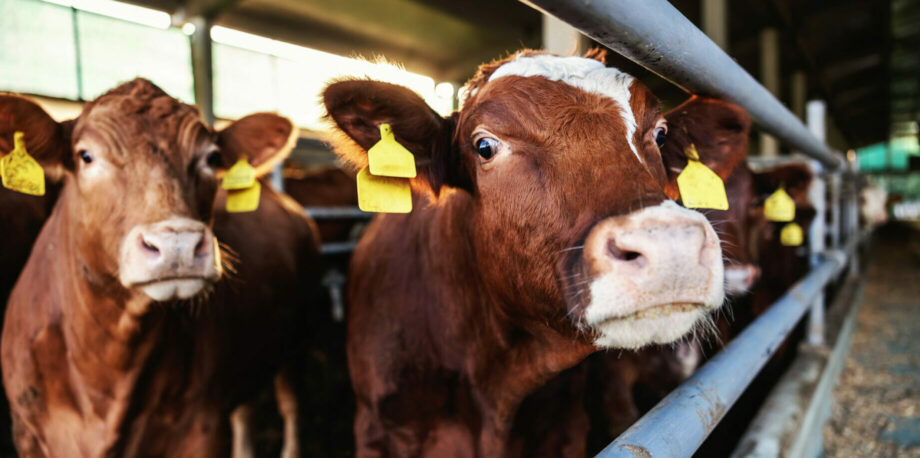
China, Brazil and Iowa may not have a lot in common, but one thing they do has literally life-and-death consequences for people around the world: All are hot spots of antimicrobial use in food animals.
Penicillin and other antimicrobial agents have long been used to beat back infections in livestock. But in recent decades farmers have increasingly been using such drugs to bump up healthy animals’ ability to grow bigger and produce milk by preventing infections and altering digestive tract bacteria in a way that makes more nutrients available to the animal. As a result, the use of antimicrobials has skyrocketed — and with it, the risk of microbes’ evolving resistance to them. That bodes ill not only for continued effectiveness of these life-saving drugs in food animals, but in their ability to fight infections in humans as well.
A study published in the journal PLOS Global Public Health by researchers from Europe and India used data from 42 countries to estimate global antimicrobial use at 99,502 metric tons (109,682 tons) in 2020. Nearly 60% of that occurred in just five countries: China, Brazil, India, the United States and Australia. Factoring in trends in food animal production and antimicrobial use, the researchers projected that antimicrobial use could rise to 107,472 metric tons (118,468 tons) by 2030 — an 8% increase.
Noting the potential severe consequences for human and animal health, the researchers called for reporting antimicrobial use on a country level.
“Availability of national data would enable comparisons within regions that have large discrepancies between countries, and perhaps more importantly, relate antibiotic stewardship policies (or absence thereof) with accurate [antimicrobial use] levels,” the researchers concluded. Doing so could help better achieve the World Health Organization’s call to reduce antimicrobial use and thus help ensure these drugs retain their capacity to heal humans and livestock alike.
— July 6, 2023
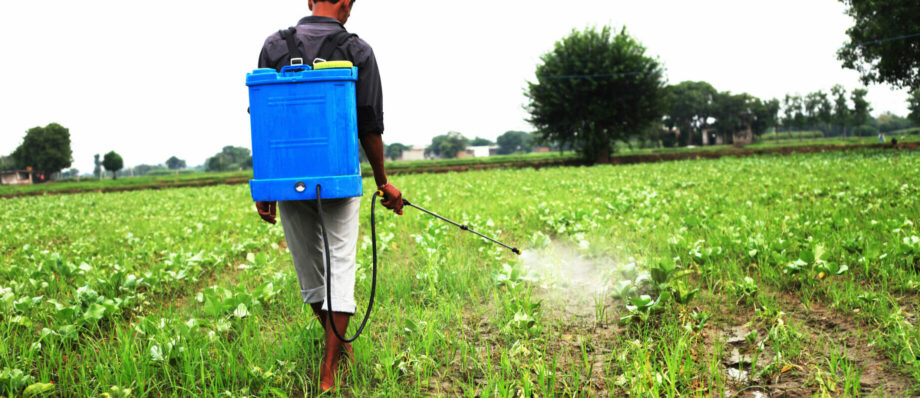
A global environmental problem that Ensia shone light on in 2016 is worse than suspected, researchers inspired by our reporting have found.
While the Food and Agriculture Organization (FAO) estimates suggest global pesticide use is plateauing, Indiana University assistant professor of geography Annie Shattuck and colleagues, writing in the July 2023 issue of Global Environmental Change, report that use is actually growing.
Motivated by the need to accurately estimate the magnitude of pesticide use in order to work toward the Convention on Biological Diversity’s commitment to reducing pesticide risk, the researchers combined FAO data with trade statistics for 137 countries. Globally, they found a 20% jump in pesticide use between 2008 and 2018, with a 153% increase in low-income countries. Likely contributors include increased availability of inexpensive pesticides, rural development and changes in supply chains.
— June 27, 2023

When people think of turning the tide on climate change, we often think of reforming energy use. But there’s another group of actions with big potential for averting climate crisis: improving our interactions with the land. A report released last September by Conservation International in partnership with the Potsdam Institute for Climate Impact Research, WWF and Exponential Roadmap Initiative describes how altering agricultural and other land use practices could make a substantial contribution to stabilizing climate for future generations.
Currently, the way we use land adds some 12.5 gigatons (Gt) of greenhouse gases to Earth’s atmosphere every year, one-quarter of humanity’s total contribution. The biggest opportunities to reduce this come from improved farming and grazing, eating more plant-based diets, reducing food waste, and improving forest management.
The report, “Exponential Roadmap for Natural Climate Solutions,” outlines a specific strategy for bringing net land-sector emissions to zero by 2030 and enlisting land in soaking up another 10 Gt by 2050. The plan focuses on three broad categories: protect “natural lands,” better manage land we use for our own needs and restore damaged land to a healthier condition. Specifically, it describes a need for four key categories of action:
● Boost carbon storage in soil, plants and other natural systems
● Improve food production and consumption
● Tap into traditional practices to improve how we use land
● Stop destroying and start restoring forests
If followed, the researchers say, the roadmap could make a substantial contribution to putting the planet on the path to a more stable climate. It also can provide ancillary benefits in the form of reducing hunger, protecting biodiversity and more.
“In the next decade we need to turn working lands — from agriculture and grazing lands to forestry — from vast emitters of greenhouse gases to enormous stores of carbon. At the same time we must scale up carbon storage in existing ecosystems: forests, wetlands, peatlands and grasslands,” Potsdaam Institute for Climate Impact Research director Johan Rockström writes in a foreword to the report. “If we start today, we can safeguard the climate, our societies, and the Earth for future generations. This is a golden opportunity. Let’s take it.”
— February 17, 2023

As the impacts of climate change become more visible in everyday life, attention is increasingly turning to ways to remove greenhouse gases from the atmosphere and so minimize further harm. A new report from the National Oceanic and Atmospheric Administration (NOAA) provides a valuable overview of various approaches to doing so.
In November 2020, NOAA’s Carbon Dioxide Removal Task Force was charged with looking at research needs around various carbon dioxide removal strategies, from direct air capture to boosting land and ocean ecosystems’ ability to absorb the gas. Its newly released report summarizes pros and cons of various approaches and describes what we need to learn and how NOAA can contribute.
Strategies assessed were:
Direct air capture: using absorbent material to trap CO2 from the air and then converting it into a substance that prevents it from easily escaping back into the atmosphere.
Soil carbon: boosting the ability of soil to store carbon.
Afforestation and reforestation: planting trees.
Macroalgal cultivation: farming CO2-absorbing seaweed or encouraging its growth in nature.
Ocean alkalinity: increasing ocean water’s ability to store carbon by increasing its pH.
Direct ocean capture: removing CO2 from ocean or other water so it can trap more.
Ocean fertilization: adding nutrients to ocean water to accelerate carbon uptake by photosynthesizing organisms.
Artificial upwelling/downwelling: bringing nutrient-rich water up from the depths of the ocean to the surface where it can feed carbon-trapping life forms and/or sending carbon-rich surface water to the depths.
Coastal blue carbon: Storing carbon that runs off upland areas or is absorbed by plants that inhabit ocean coasts in the soil.
Ecosystem recovery: rehabilitating ocean ecosystems to enhance organisms’ ability to absorb carbon and eventually store it on the ocean floor.
For each strategy, the group summarized research related to how long the approach could store carbon, its ability to scale, its relative cost and the extent to which it can be deployed with existing capabilities.
The figure below summarizes various attributes of the Carbon Dioxide Removal approaches assessed. The darker the blue shading, the more favorable the approach with respect to the attribute. Circles indicate NOAA’s ability to address the particular approach and attribute. Click the image to expand.

Image courtesy of the National Oceanic and Atmospheric Administration
“[N]egative emissions strategies will be essential for keeping global temperatures at or below target levels,” the authors write. “Many of these techniques are promising in theory, but require additional research to evaluate their effectiveness and scalability, and explore potential co-benefits and environmental risk.”
— January 26, 2023

What’s in that IV bag besides saline and medication? As we become more aware of the harms of chemicals embedded in plastics and other materials, consumers — including patients — are demanding a higher standard.
Research suggests that the presence of certain chemicals in some healthcare equipment can compromise the benefit of the treatment the equipment enables. For example, the presence of chemicals in intravenous equipment could reduce the effectiveness of the medication being administered and alter hormonal function in patients.
In response, the nonprofit organization Clean Production Action recently created a process to certify health-care products that do not contain specific chemicals such as polyfluoroalkyl substances (PFAS) that are associated with cancer, altered brain development, endocrine disruption and other health harms.
To earn certification for a product under the new GreenScreen Certified Standard for Medical Supplies & Devices, health-care product manufacturers must follow basic principles of green chemistry and prove it is formulated without disallowed chemicals through rigorous testing. They also need to recycle or otherwise address waste implications of both the product and its packaging.
Various levels of certification are available depending on the level of strictness the manufacturer wishes to pursue with respect to different chemicals. Manufacturers can use the certification to show consumers that they are conscientious about avoiding harm and to identify products that contribute to meeting consumers’ environmentally preferred purchasing (EPP) goals.
In addition to healthcare equipment, Clean Production Action also offers certifications that apply to textiles, cleaners, degreasers, firefighting foam, fabrics, furniture and food service equipment.
— November 11, 2022
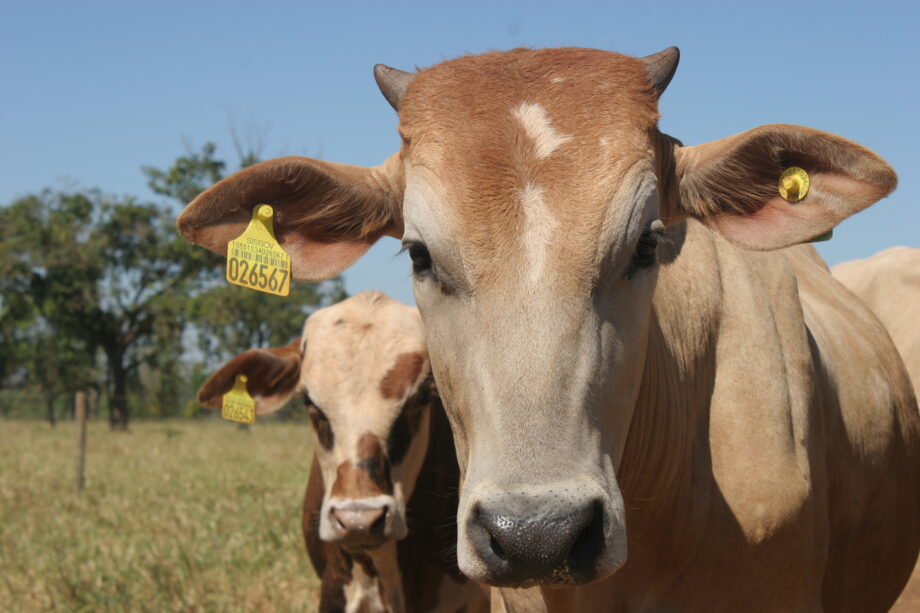
When it comes to advancing sustainable agriculture, customized, in-person guidance makes a difference. That’s the conclusion of a study on improving Brazilian cattle ranching published earlier this month in the scientific journal PNAS.
Researchers from the U.S. and Brazil led by Arthur Bragança of the Pontifical Catholic University of Rio de Janeiro wanted to find out how well various approaches to sharing climate-friendly practices with cattle ranchers influenced whether those practices were actually used. They provided 56 hours of coursework on practices such as restoring pastures, cultivating forests and using no-till agriculture to a group of 706 ranchers who operate mid-sized ranches in Brazil’s Cerrado biome. Of these, 311 were also offered a series of 24 in-person visits from agricultural extension agents over a period of two years, along with advice customized to their individual circumstances.
Producers who received the training alone by and large did not increase adoption of the climate-friendly practices, while those who received the technical assistance did. The researchers found that the implemented changes increased productivity and also reduced carbon dioxide equivalent emissions by an estimated 1.11 million metric tons (1.22 million tons) per year and provided additional carbon sequestration benefits as well. And adoption was not only good for the environment, it also offered an 8–45% return on investment in the form of increased profits for producers.
“Our analysis provides strong empirical evidence that customized, individual agricultural extension can provide farmers with the knowledge and skills needed to restore pastures and adopt new management practices that support sustainable intensification and increase income,” the researchers conclude.
The work is important because livestock farming is responsible for nearly 15% of the greenhouse gas burden humans are adding to the atmosphere, and Brazil is among the top cattle-producing countries in the world. The practices that the training and technical assistance encouraged can reduce the need to destroy carbon-sequestering forests and enhance the ability of the ranching practices to keep carbon in the soil. — March 24, 2022
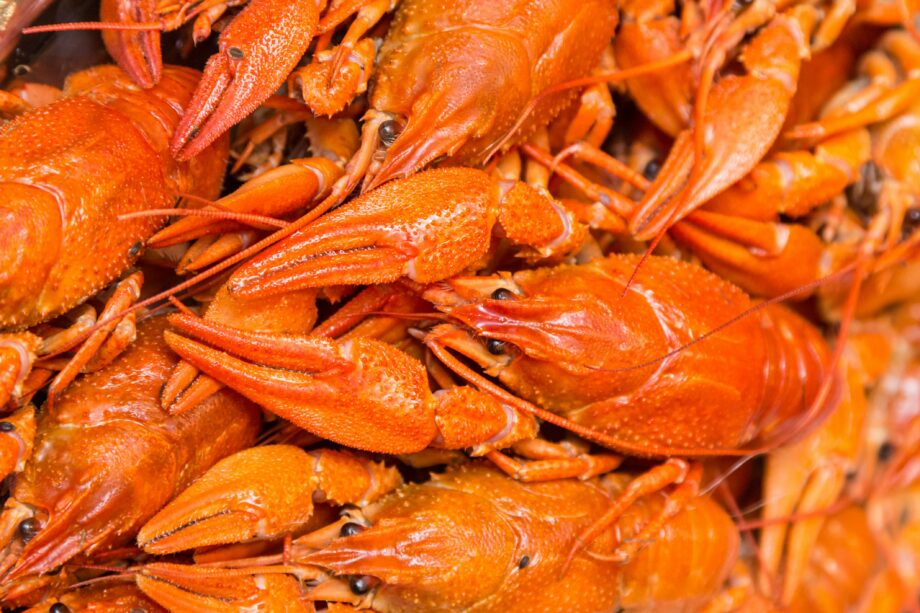
Lobster claws and insect exoskeletons may seem like unlikely candidates for sustainable packaging feedstock. But researchers are hot on the trail of turning a molecule these structures contain into the basis of packaging for food and other products that’s not only made from a resource that can be renewable if sourced in a sustainable way, but also has a spectrum of desirable traits, from extending food shelf life to imparting antioxidant properties.
The compound, chitosan, is readily derived from chitin — one of the most abundant biological polymers in the world, second only to cellulose and found in fungi as well as insects and crustaceans. Chitosan offers plenty of potential benefits to the packaging industry in addition to being made from a compound that’s available pretty much everywhere. It’s biodegradable and naturally impedes the growth of bacteria and fungi. It could substitute for fossil-fuel-based feedstocks for plastics, reducing the demand for materials that contribute to climate change. Because it’s nontoxic, it has potential to be used for edible protective coatings for foods such as fruits, vegetables, eggs and coffee beans. But it also poses some challenges: Films made from chitosan tend to brittle and permeable to water.
Assessing strategies for capitalizing on the benefits and reducing the downsides of chitosan-based packaging is the focus for a team of researchers from Malaysia, Iran, Sri Lanka, Saudi Arabia and Australia writing in the February 2022 issue of Carbohydrate Polymers. With an eye to moving the functionality forward, the researchers reviewed the state of knowledge regarding various ways to modify chitosan and combine it with other substances to enhance its potential for packaging.
They found numerous research efforts that shine light on potential strategies for moving the substance toward commercial use. Modifications shown to improved characteristics useful for packaging materials include:
- Cuttlefish skin gelatin increased tensile strength of packaging film.
- Zinc oxide nanoparticles and nettle leaf extract boosted antibacterial properties.
- Aloe vera, oregano, thyme, anise or cinnamon helped reduce fungal growth.
- Kombucha tea improved water vapor permeability and antioxidant properties.
“Although the research on practical applications of chitosan packaging films is at its infancy,” the researchers concluded, “we believe that with the recent emergence of nanomaterials and/or bioactive ingredients, the face of chitosan-based packaging will drastically evolve and open several interesting new window of opportunities for the design of scalable and low-cost hybrid materials over the next few years.” — January 27, 2022

Would you alter the way you do things to help reduce the severity of climate change? If so, you’re not alone. A recent survey of individuals in 17 “advanced economies” found that 80% of respondents were willing to modify some aspects of their work and lifestyle to help mitigate the threat.
The survey, conducted in early 2021, assessed the opinions of 16,254 individuals from 16 “advanced economies” by phone and another 2,596 in the U.S. via the internet. It included a broad range of questions related to beliefs and attitudes regarding climate change actions. Countries included in the survey were Canada, Belgium, France, Germany, Greece, Italy, the Netherlands, Spain, Sweden, the UK, the U.S., Australia, Japan, New Zealand, Singapore, South Korea and Taiwan.
A drill-down into the data by traits such as gender, nationality and political persuasion offers insights for individuals, organizations, governments and others seeking to mobilize individuals to help mitigate risks. Among the more specific findings:
- Individuals on the political left tended to be more willing to make changes than those on the ideological right.
- Young adults were more likely to be amenable to change than older adults.
- Higher educational attainment was positively correlated with more willingness to change.
The survey also found that willingness to change varied from one country to another. The range in proportion of respondents “willing to make … changes about how you live and work to help reduce the effects of global climate change” ranged from 93% for respondents from Italy to 55% for those from Japan.
The survey also assessed a number of other attitudes and beliefs related to climate change and climate action. These included how concerned respondents were that climate change would harm them personally; how well they think society is responding; and whether climate action is good for the economy. Again, responses were broken down by demographic group, yielding some additional insights:
- Except for Sweden, most respondents were at least somewhat concerned that climate change will hurt them. This was generally more true for ideological left than right, for women than for men, and for young people than for older adults.
Respondents were generally favorable regarding how well their own society is dealing with climate change. Results were mixed as to whether the international community is doing a good job.
Overall, the survey offered encouraging news for those hoping to make inroads into climate change, noting that while it “reveals a growing sense of personal threat from climate change among many of the publics polled,” it also indicates that “[p]ublic concern about climate change appears alongside a willingness to reduce its effects by taking personal steps.”
— December 28, 2021

Archaeological records have long helped scientists discover past important events, learn about extinct species and explore past ways of life. Might ancient history inform efforts to deal with climate change as well? Researchers from the U.S., Canada and France think so. In their recent study, the researchers tapped archaeological records to show how humans have faced climate challenges in the past — providing valuable insights into how various degrees of warming affect current and future droughts, erratic weather, sea-level rise, and more.
The researchers note that many current efforts to deal with global warming are ineffective. “Planning a sustainable response to climate change requires us to identify the critical climate thresholds capable of disrupting social, economic, or political systems and culturally appropriate strategies for countering such disruptions,” they write. Because the archaeological record encompasses cultural, geographic and temporal diversity, it can show how a wide range of human cultures have responded to a wide range of unpredictable climate events in the past — and shine a light on how we might best do so in the future.
We have a lot more technology for understanding and interpreting the archaeological record now than we did in the 20th century. And methodological and theoretical advances in climate research in recent decades have made it possible to study past human-environmental interactions, which enhance understanding of the underlying reasons for change in the archaeological record. A glance at the record, with help from increasingly sophisticated climate modeling and advanced computing, is shedding light on human responses to a changing climate. Awareness of past distribution of plants and animals, for example, helps climate scientists fine-tune models that predict future conditions.
“The archaeology of climate change has an important role to play, highlighting the importance of cultural diversity and encouraging scientists, policymakers, and stakeholders to engage with the past to help plan a sustainable future.”
Insight into past human behavior and perspectives from various past cultures are relevant because scientists expect climate change to alter our food supply and farming practices. Looking at the adoption of farming in Southwest Asia during the most recent glacial/interglacial cycle, for instance, the researchers found that climate changes produced different outcomes depending on social and geographic circumstances. Based on this, they determined that “periods of favorable climate led to economic and cultural experimentation, which acted as an investment, making the society more resilient against future periods of climatic downturn.”
The researchers looked to ancient indigenous communities as examples of resilient communities that take an ecosystem-based approach to working with the land that protects biodiversity and themselves. For example, as glaciers melted, ancestors of today’s Cree people tended to settle in places that experienced fewer transformations due to the changing climate. Long-ago farmers in the southern hemisphere were able to adapt to disruptions brought on by El Niño events. This knowledge underscores the importance of protecting cultural diversity.
“[M]any past adaptations to climate change were highly successful and could be readapted to modern contexts,” the researchers write. “A comparative, cross-cultural study of the human past demonstrates that cultural diversity has been, and remains, a key element of human resilience.”
As population rises, climate changes, food security declines, and the need for sustainable farming practices and ethical water management grows, archaeological perspectives will become increasingly important for informing decision making.
— December 6, 2021
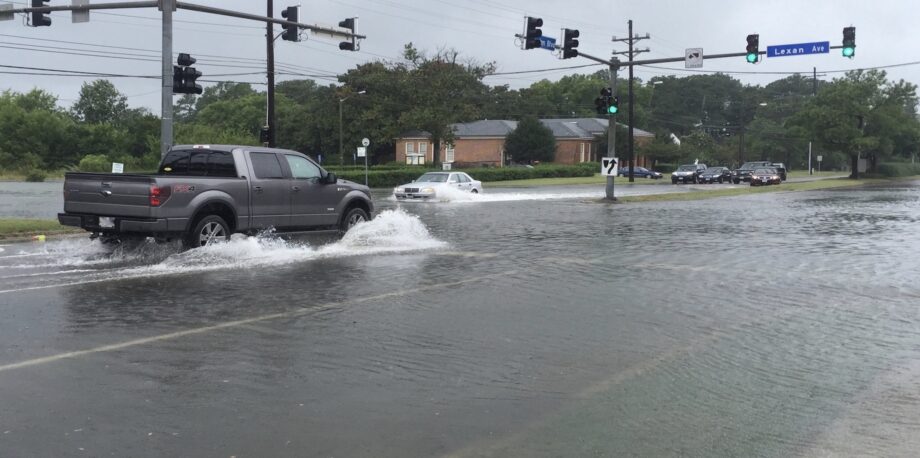
In 2021, we are no strangers to the throes of climate change, with examples including the ongoing drought in the Western United States and recent flooding in Germany and Belgium. Flooding, particularly on coasts, threatens families and communities.
In a recent study published in the academic journal Earth’s Future, researchers looked at the costs of coastal flooding through an equity lens, finding that flooding comes with both monetary and social risks, suggesting that many people who own or rent homes at risk from rising sea levels may not have enough money to pay for the associated damages.
“The impact of coastal flooding on communities hinges not only on the cost, but on the ability of households to pay for the damages,” the researchers write.
The study, which analyzed counties in the San Francisco Bay Area, projected flooding impacts from 2020 to 2060, determining that coastal flooding disproportionately impacts lower-income households. Climate change has already altered the risk of certain natural disasters, like flooding, and is projected to worsen other hazards and potentially create future threats.
“The ramifications for the financial security of individual households and for the communities as a whole depend sensitively on the socioeconomic context,” the researchers write, emphasizing the social risk that comes with not being able to afford flooding damages.
That seems to hold true in the Bay Area: Using computer modeling, the researchers analyzed the risks associated with coastal flooding in the region, concluding that San Mateo County is particularly at risk — with a future financial burden possibly totaling as much as US$835 million — due to the high number of flooded buildings and a low average household income.
Future financial instability, the researchers observe, also threatens homelessness for those who cannot afford to pay for flood damages. The study notes that approximately 9,871 households in the Bay Area could be pushed into financial instability between 2020 and 2060, as flooding becomes more common alongside rising global temperatures and sea levels.
While their “estimates are specific to the San Francisco Bay Area,” the researchers write, “our granular, household-level perspective is transferable to other urban centers and can help identify the specific challenges that different communities face and inform appropriate adaptation interventions.”
The researchers note that with continued greenhouse gas emissions, the severity of flooding may increase, which could manifest as larger coastal flooding damages in the mid-21st century — leaving a short, valuable runway of time to mitigate that risk. The study suggests that in order to mitigate flooding risk, researchers and practitioners may need to differentiate communities’ peril into two categories: monetary risk and social risk.
The researchers float potential ideas for change, including improvements to the National Flood Insurance program to better assist people facing monetary risk. Such an update could create a voucher program to help individuals pay for the damages to their homes, ideally shielding households from at least some future financial instability.
Sea walls, the study proposes, could strengthen coastal infrastructure, protecting buildings and the people that live within them.
However, the researchers note, these avenues alone may not amount to a fully equitable approach: While flood insurance, as an example, offers vital protection for some people, it’s not always affordable, even with public assistance. The study suggests that community action, when aided by county, state and federal action, could help to develop support plans for financially unstable households to prevent further social risk.
Ultimately, “instead of adopting a ‘one-size-fits-all’ approach that only targets monetary risk,” the researchers write, “we suggest co-producing a wider spectrum of adaptation strategies that is conscious of social risks and prioritizes community needs.”
Editor’s note: The main image is courtesy of D. Loftis/VA Institute of Marine Science (VIMS), licensed under CC BY-SA 4.0.
— October 26, 2021

For many of us, March 2020 marked a pivot point in our lives, when the World Health Organization declared COVID-19 a global pandemic. Since then, we have heard the term “wet market” thrown around in science and in the news, as a wet market in Wuhan, China is the site of the first cluster of cases of COVID-19.
In the wake of the pandemic’s emergence, some public health officials, lawmakers, celebrities, and average citizens called for a blanket closure of wet markets. However, a recent study published by researchers at Princeton University suggests that an across-the-board ban on wet markets would do more harm than good. Many people depend on wet markets, which often resemble the farmers markets of Europe and the U.S., for essential goods and services. Banning them altogether, the study contends, would spark pushback from vendors and customers and likely push wildlife trade further underground.
Another problem is that not all wet markets are the same: “Wet markets are often incorrectly conflated with live-animal or wildlife markets,” the researchers write. In fact, vendors at many wet markets simply sell fresh fruits, vegetables, fish and meat, with meat only from dead, domesticated animals. The study notes that imprecise language — statements conflating one type of traditional, innocuous market, commonly found in countries like China, with different kinds of markets — can inflame xenophobia against people from east and southeast Asia, regions where wet markets are the main, or only, source of food for many people.
As an alternative to sweeping generalizations and complete closures, the researchers offer what they call a “taxonomy of wet markets,” classifying risk based on whether the markets feature live or dead animals, and whether the animals sold were domesticated or wild. More targeted approaches to regulation, they conclude, might be a more viable way to safeguard human health.
One way that some markets might pose a threat to human health is by potentially fostering emerging infectious diseases (EIDs). “In general, the building blocks of an EID event (the emergence of a novel infectious disease in humans) consist of interspecific zoonotic transmission, viral amplification, and viral modification,” the researchers write.
The study identified key risk factors for diseases making the jump from animals to humans at markets: the presence of high disease-risk taxa and live animals, hygiene conditions, market size, the density of animals, interspecies mixing and the length and breadth of animal supply chains.
Potential dangers aren’t limited only to human health, either, since some markets also pose risks to biodiversity. Currently, the study notes, wet markets only assess biodiversity risks based on the types of animals being sold, rather than the condition in which the animals are sold. Certain markets have become a conduit for the sale of threatened or declining wildlife species, an illegal practice, and it is those markets, the researchers write, that pose the highest threat to biodiversity.
To guide effective regulations, the researchers have divided wet markets into four categories. The first includes wet markets that sell no live animals except seafood, which historically carries less risk of pathogens jumping to humans. The second classification covers markets that sell live domesticated animals, while the third covers markets that also sell dead wild animals. The final classification encompasses all of the above — plus markets that sell live wild animals. The risks to human health and biodiversity increase with the third and fourth classifications.
Based on these classifications, the researchers suggest that policymakers should prioritize regulating markets that pose the most risk — those in the fourth category, selling live, wild animals — to allow for the least amount of disruption in communities that depend on wet markets for food. “Most wet markets probably pose comparatively little risk to human health or biodiversity, but a few pose a disproportionately large risk,” the researchers write. Targeting such harmful wet markets, they contend, could help mitigate the threat of future pandemics and reduce risks to biodiversity.
Editor’s note: Main image, “Street Vendor | Pudu Wet Market,” by John Ragai is licensed under CC BY-SA 4.0
— September 1, 2021

Spring typically marks that time when insect pollinators begin the work that helps produce so many of the fruits and vegetables we love. In fact, researchers estimate that pollination accounts for about 9.5% of global agricultural production’s economic value.
However, global warming potentially threatens to cause mismatches, now and in the future, between these pollinating insects and the flowering plants that they help fertilize, according to a study published last summer by researchers from the University of Mons in Belgium. It’s a risk that merits more research: When it comes to plants, pollinators and the climate crisis, there’s still a lot we don’t know, the researchers write, and “to address this current knowledge gap, we need ambitious strategies for monitoring plants and their pollinators.”
Pollinating insects and flowering plants have a mutually beneficial relationship: The plant provides food to the insects, which spread pollen from one flower to another — helping the plant reproduce. But when warming temperatures alter one side of this relationship, there’s a risk that the whole process might be thrown off, potentially harming the insects, the plants and the broader ecological community.
According to the report, there is “growing empirical evidence” that bad timing can cause what scientists call phenological mismatches between plants and their pollinators. Global warming can influence living things’ life cycles, annual patterns and other activities, spurring situations where cycles that were once in sync no longer line up. If a plant flowers earlier than usual, for example, it might miss the window of time when its main pollinators are at work, leading to a potential decrease in seed production.
Observers most often note cases of bad plant/pollinator timing in the spring, so the researchers remark that spring-flowering plant communities could be more severely impacted. “Mismatches between the emergence of bee species and the blooming of their main resources have been specifically recorded,” the researchers write.
The researchers also point to another important, albeit more speculative, climate-related driver of plant-pollinator discordance: geography. Models simulating the future suggest that such geographical mismatches could happen if global warming shifts these species ranges and different species fail to match up and make pollination happen.
Plants and pollinators must be in the same area to help each other out, so if a changing climate pushes either party out of places they’ve long lived, it could sever that mutualistic relationship. Reductions in that spatial overlap could possibly leave some plants and pollinators without their essential counterparts. While changes relating to timing and life cycles are more established in scientific research, the study emphasizes that geographic mismatches could also be potential risks in a warming climate.
“Mismatches in the interactions between plants and pollinators will lead to the emergence of new biological networks and communities,” the researchers conclude. Some communities may lose interactions due to the changes in climate, but some may also gain new interactions. Better understanding of these dynamics is vital in a warming world because, the researchers write, “evidence for phenological mismatches as a result of microevolutionary responses has already been observed, thus a critical challenge is now to assess if the pace of adaptive evolutionary changes will be fast enough [to] track climate warming and prevent species extinctions.”
Author note: This article is dedicated to my grandfather, Stuart Bernstein, who died on January 4th after a long battle with heart disease. My Papa Stu inspired me to pursue a career in the environment and I know how much he would have loved to read this piece.
Main image, “Pollination,” by hernanpba is licensed under CC BY-SA 2.0 — June 14, 2021

If it did nothing else, the emergence of Covid-19 a year ago underscored for all of us the importance of anticipating and preparing for — and, as appropriate, steering the course of — things that might happen in the future.
That is, in a nutshell, the goal of the 2021 Horizon Scan of Emerging Global Biological Conservation Issues, recently published in the scientific journal Trends in Ecology & Evolution by Cambridge University conservation biologist William Sutherland and a team of 24 other conservation practitioners and researchers from around the world.
The team started by identifying 97 trends with potentially large impacts on conservation and biodiversity, then trimmed the list down to the top 15 that they agreed “society may urgently need to address.”
“Recent global assessments of biological diversity and climate change indicate negative trends and a rapidly narrowing window for action to reverse these trends,” the researchers wrote. “We believe that identification of novel or emerging issues for global biological conservation should inform policy making in the context of the Post-2020 Global Biodiversity Framework and encourage research, discussion, and allocation of funds for continued tracking, in addition to informing management and policy change.”
The 2021 horizon scan is the latest in a series that stretches back more than a decade (read summaries of the most recent five here). In addition to making their predictions for the year ahead, the team members reviewed selections from the first horizon scan, published in 2009. They found that one-third of the issues identified in that scan “have since developed into major issues or caused considerable environmental impacts.”
Here are the issues that bubbled to the top in this year’s scan:
Suffocating Reefs
Coral reefs have come under siege from many threats in recent decades, from invasive species to warming waters to harmful fishing practices. Increasingly worrisome is hypoxia-associated coral mortality — suffocation from a lack of oxygen due to an influx of nutrients from land or aquaculture facilities into ocean waters. Because warm water holds less oxygen than cold water, scientists fear that climate change will only make this problem worse. Deoxygenation of ocean waters already has harmed corals in relatively small spaces such as bays and lagoons. Although we know relatively little about how resilient corals might be to low oxygen, there is concern that in some cases it could be the straw that breaks the camel’s back for these valuable and beleaguered ecosystems.
Iron-Fortified Coasts
Ocean coastlines are abundant sources of plant and animal life — and those in polar zones are becoming increasingly so due to climate-change-induced melting of glacial and floating ice that contains relatively large amounts of iron. Plants need iron to photosynthesize, so melting ice stimulates plant growth. This increases coastal ecosystems’ ability to soak up planet-warming carbon dioxide from the atmosphere and potentially harmful nutrients running off land and boosts the food supply for other living things in the area. But as the trend continues, it also is likely to alter biodiversity and ecosystem structure and complexity along polar coastlines in unknown ways, even as it enhances biological communities’ ability to mitigate climate change through carbon sequestration.
Waves of Change
Heads up, ocean ecosystems: Global energy trends are about to bring major waves of change. Numerous offshore oil and gas rigs as well as first-generation offshore wind turbines are slated for decommissioning in the near future. A variety of strategies might be deployed for doing so, from removing all or part of an installation, to converting it to an artificial reef, to simply abandoning it. At the same time, new ocean-based wind energy installations and natural gas wells will be coming on line. These upcoming changes in ocean-sited infrastructure could have big impacts on habitat in the vicinity — for better, for worse, or for both, depending on the location, the extent to which existing infrastructure has been colonized by marine life, and specific implementation strategies.
Seabird Patrol
Ocean-going vessels carrying out illegal fishing activities have ways of covering their tracks, from deactivating electronic tracking systems to avoiding the use of lights at night. The difficulty of finding such covertly operating boats on the vast open seas can be a limiting factor in efforts to prevent illegal activities that lead to overfishing and biodiversity degradation. In an interesting twist on surveillance, scientists are looking at enlisting albatrosses and other ocean-going birds to help track down troublemakers. The birds, which naturally follow fishing vessels in hopes of grabbing morsels, can be fitted with transmitters that can clue enforcement officials in to their location. Work is already underway to evaluate the approach — including consideration of the extent to which it might put the birds themselves at risk of harm.
Location Spoofing
Although seabirds may be attracted to fishing boats, they’re not quite as helpful when it comes to tracking vessels that aren’t flinging fish bits off the back. Currently it’s possible to identify and pinpoint the location of most such ships using Global Navigation Satellite Systems (GNSS) and Automatic Identification Systems (AIS). However, technologies are emerging that allow those wishing to avoid detection due to surreptitious activities to muddle their identification and coordinates. Such technologies, conservation biologists speculate, could make it easier to transport illegal animals or animal parts, engage in illegal mining, or conduct other covert activities. Efforts are underway to develop technologies to thwart such deceptive practices, but it could be a decade before they are ready to deploy.
Long-tail Hormones
It’s bad enough for pollutants to harm animals that come in contact with them. But now there’s evidence that some water-polluting chemicals that alter endocrine systems in fish can get passed to future generations as well. By mimicking or blocking the proper function of hormones, such compounds, which include many used in households and on farms, can cause deformities and fertility issues. And now it appears that in some species, parents can pass those disruptions to the next generation. Concerns are growing that this long-tail impact will be found in other animals as well.
Low-Hanging Clouds
Among the little-known prospective victims of climate change are the low clouds that hang over coastal oceans near the equator, helping to cool the atmosphere. The nature and extent of these clouds depend on a variety of conditions that are expected to change as our climate warms, including ocean temperatures, air movement in the atmosphere and the layout of coastal lands. Changes in the cloud cover, in turn, could affect the clouds’ ability to counteract global warming, preserve the conditions in which human settlements and ecosystems have evolved to thrive, and exacerbate fire risk in the region.
Trillion Tree Trouble?
Numerous groups have begun promoting extensive planting of carbon-dioxide-absorbing trees as a way to help counter the climate-disrupting rise in the concentration of greenhouse gases in Earth’s atmosphere. But massive tree-planting efforts are not without concerns. Even as proponents tout the approach to climate change mitigation, others warn of potential problems. For one thing, poorly sited plantations could end up replacing ecosystems that actually sequestered more carbon than the trees do. For another, biodiversity could take a hit in the process as species-rich native habitats are replaced by monoculture plantations with the primary goal of socking away CO2. Careful planning will be needed to ensure such initiatives don’t do more harm than good in the long run.
Fire Prevention Logging
As climate and other conditions change, the intensity and severity of wildfires are increasing in North America, Australia, central Africa and elsewhere around the world. One strategy that’s been proposed to reduce the risk is to reduce the number of trees available to burn. Some research suggests that such a strategy could do little to decrease the likelihood of harm to humans and property, and in some instances could even increase it. Nevertheless, with strong public pressure to do something about this growing problem, there is a real likelihood that policy makers will turn to tree thinning as a way to prevent wildfires — with certain but unknown impacts to the ecosystem and multiple species that call forests home.
Super Sustainable Farming
A quiet revolution is underway in India: the wide-scale adoption of sustainable intensification as a farming practice. Across the world’s second-most-populous country, state-level policies are incentivizing farmers to adopt a suite of practices that reduce the adverse environmental impacts of agriculture while boosting crop yields, income, health and well-being. To date, more than a quarter-million farmers have adopted the new approach, which includes eliminating synthetic inputs, enhancing crop diversity, rotating crops and more. Millions more are expected to follow the practice, which is also known as natural, community-based or zero-budget farming. As success stories roll in, the initiatives could set off a snowball effect, leading other countries and farmers to follow suit.
Navigation Miscues?
If you’ve ever mistaken a satellite for a star in the night sky, you’ve had a taste of the confusion scientists fear might face some birds, mammals and insects in the future. Some 2,600 artificial satellites currently circle our planet, and booming communications technologies are expected to catalyze the deployment of thousands more. What do these plentiful extra points of light mean for animals that use the stars for navigational cues? No one know for sure — but it’s a question worth investigating before permanent damage is done to populations already beleaguered by human impacts on the surface of the Earth.
Stranded Energy Meets Bitcoin
At certain times and in certain places around the world, the ability to generate electricity exceeds demand, as limited by economics or logistics. The excess capacity — whether methane byproducts from oil drilling or wind or solar power that exceeds local demand — may just go to waste due to market logistics. But what if a pop-up demand were available to use this “stranded energy” on an as-needed basis, at a discounted (but better than throwing it away) price? Recently, Bitcoin mining — an energy-intensive process required to keep transactions fair — has been emerging as a possible contender. Bitcoin mining is relatively flexible when it comes to time and place, so it could create a low-payout-but-better-than-nothing use for these resources. There is some concern by those working to mitigate biodiversity-compromising climate change that using Bitcoin to close the use-capacity gap could boost use of fossil fuels — but also optimism that it might help make renewable energy sources more economically desirable.
We’re All Detectives Now
If officials don’t notice or respond to environmental problems, are they still problems? Environmental quality in many regions around the world is limited by insufficient monitoring, detection, prevention and mitigation of pollution or other assaults. But that could change, thanks to emerging technologies. Because of the growing adoption of smartphones and internet connectivity, private citizens around the world are being empowered to act as environmental detectives, identifying and calling out problems they identify through social media mining. This approach already has been used to document locust swarms in East Africa. As more and more people connect, it could be applied around the world to detect and encourage responses to environmental assaults of all sorts, from water pollution to wildlife poaching.
Self-Healing Buildings
In the Department of Good News, the development of self-healing building materials bodes well for biodiversity in a variety of ways. Such materials, which are based on a variety of inputs, including chemicals and bacteria, aim to enhance the ability of build structures to bounce back from damage without the need to repair or replace them. They could be beneficial in a number of ways. For one, they can reduce greenhouse gas emissions by reducing the need to produce concrete and carry out construction projects to repair or replace damaged structure. For another, they can reduce the need to mine or quarry new materials, processes that often involve destroying habitat for plants, animals and other living things. In addition, they can reduce the production of construction debris and the accompanying increased demand for landfill space.
Baltic-Black Connection
— December 3, 2020
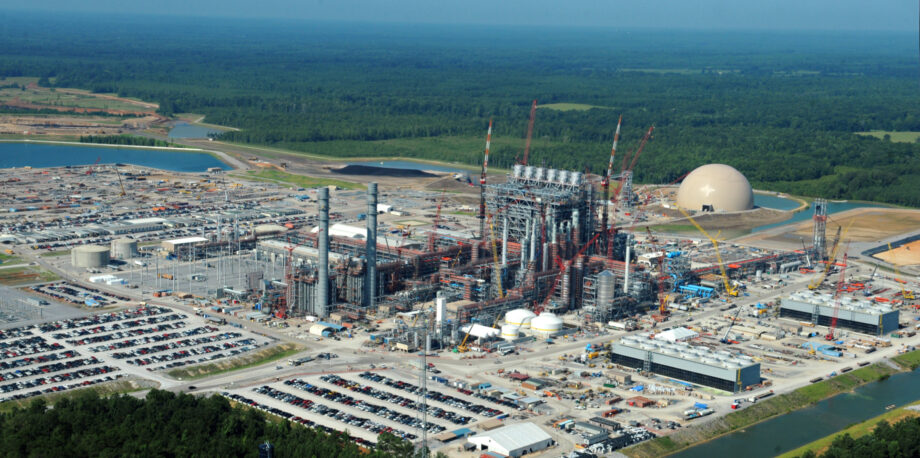
From research scientists to political organizers, people around the planet are working to thwart a threat whose scale has become increasingly clear: Global heating is spurring a climate crisis of megafires, superstorms and record-setting heat waves that current policies are not enough to address.
Many climate activists, driven in part by the youth movements of Gen Z, are joining major scientific bodies in calling for economic and social transformation, while other onlookers are hoping for “moonshot” technology to step in as climate “savior.”
How did we end up here? Answers to that vary, but research published earlier this year in the journal Nature Climate Change puts at least some of the blame on a surprising villain: computer modeling–based on wishful thinking.
In the paper, Duncan McLaren and Nils Markusson, social scientists with the UK-based Lancaster University’s Lancaster Environment Centre, note that speculative technologies promising big climate benefits down the line have been included again and again in computer models used to inform government policies. That relieves some of the political pressure to cut or sequester greenhouse gases here and now, helping to stall tangible reductions in the near term. But it also spurs scientists creating the next round of models to rely, however unintentionally, on even more hoped-for innovations to make established climate goals appear feasible. We need to “recognise and break this pattern to unleash more effective and just climate policy,” the researchers conclude.
The root of the issue is that, in sketching potential fates for Earth and its climate, scientists, economists and other researchers use models that simulate complex systems like the atmosphere and the economy. The models provide an idea of how different things ping off each other — how money changes what people eat, how energy use affects carbon emissions, how everything ties into everything else — that policymakers can use to design laws and programs to keep climate change in check.
While useful, these models (called integrated assessment models) typically simulate the least expensive way to achieve cuts in greenhouse gas emissions, while at the same time applying an economic discount rate: counting future efforts to mitigate carbon emissions as having a lower price tag than immediate action today.
Given those conditions, if you give a model the choice of incorporating some future technology or some existing strategy for mitigating climate change, McLaren says, “the model will take [the future technology] preferentially over things that are short term and apparently expensive, like stopping people flying or like changing diets or like going from house to house and installing solar panels.”
In 1997, governments gathered in Kyoto, Japan, to negotiate a commitment for industrialized nations to cut their greenhouse gas emissions. McLaren and Markusson note in their paper that many policies at the time emphasized energy efficiency, fuel switching and a technology that wasn’t ready for deployment on a large scale: carbon capture and storage (CCS). CCS, the researchers write, “was widely adopted in [models] to optimize costs by enabling a slower transition away from fossil power generation, especially coal.”
When the Intergovernmental Panel on Climate Change (IPCC) published its fourth assessment report in 2007, the models it drew on included another innovation: bio-energy with carbon capture and storage (BECCS), an idea to extract energy from plants, trap the CO2 emitted, and bury it underground instead of spewing it into the atmosphere. Although the IPCC report noted that modeling of BECCS relied on “a limited and uncertain understanding of the technology,” it has remained in models and major assessments.
“Like CCS before it,” McLaren and Markusson write, “BECCS promised ways to cut the costs of meeting a particular target, slowing the transition even more by its promise to effectively reverse emissions at a future date.”
The result, the paper argues, has been to postpone actions, such as swift cuts to carbon emissions, that would mitigate climate threats: With the allure of potentially powerful yet largely speculative technologies in mind, policy makers were less compelled to mitigate climate change sooner rather than later.
Not everyone agrees with this perspective. Sabine Fuss, head of the sustainable resource management and global change working group at the Mercator Research Institute on Global Commons and Climate Change, questions whether the slow pace of action from governments has much to do with the modeling dynamics outlined in the new paper.
“I haven’t really observed that as such a strong argument in the political debate, saying, ‘Oh, we can do carbon removal later on so let’s postpone climate change mitigation,’” she says. “I think there are a lot of other factors at work here, and interests at work here, that will also continue to be important.”
Even if mainstream modeling’s approach of kicking the can down the road is not the only — or even primary — reason for limited progress in mitigating climate change, we should still pay attention to that possibility in the future, McLaren and Markusson contend.
As the IPCC prepares its sixth assessment report, which will form the foundation for climate talks in 2023, McLaren and Markusson worry that the next generation of integrated assessment models might incorporate proposals to use unproven technology to block some sunlight from reaching Earth.
“By drawing attention to the cycles of prevarication sketched here, we wish to encourage more researchers to examine the potential relationship between climate delay, the emergence of new technological promises and the repeated reframing of targets and redrawing of modelling parameters,” they conclude. “It is critical that problems arising in policy and target formulation are not treated naively and simply as knowledge deficits. There is scope for modellers to be more reflexive about how the risk of technology disappointment is represented in scenarios, both in single scenarios and across modelling efforts, and how such risk is communicated to policy makers.” — September 2, 2020

The coronavirus pandemic and resurgence of the Black Lives Matter movement have many environmentalists paying attention to the inextricable links between marginalized peoples and environmental pollution.
The history of disproportionate environmental impacts on Black, Indigenous, and people of color often goes back for centuries. A recent review of 141 Indigenous groups by University of Helsinki conservation researcher Álvaro Fernández-Llamazares and colleagues published in the journal Integrated Environmental Assessment and Management shows how colonialism directly led to the development of environment-polluting infrastructure built without the consent of — and differentially affecting — communities in their territories.
The study, which dug through nearly 700 studies covering six continents to reveal impacts of pollution on the environment, health and culture of Indigenous peoples, points out that this pattern continues today.
“The literature reviewed clearly shows that [Indigenous peoples] are among the populations at highest risk of impact by environmental pollution of water, land, and biota through both exposure and vulnerability,” the authors wrote.
The study notes that landfills, pipelines, toxic waste storage facilities, sources of radioactive contamination and mines are still being forced upon Indigenous people and directly affect community well-being. In Canada, for example, 20% of drinking water advisories come from Indigenous communities, which make up just 5% of the population. In the western United States, more than 600,000 Native people live within 10 kilometers (6 miles) of an abandoned mine.
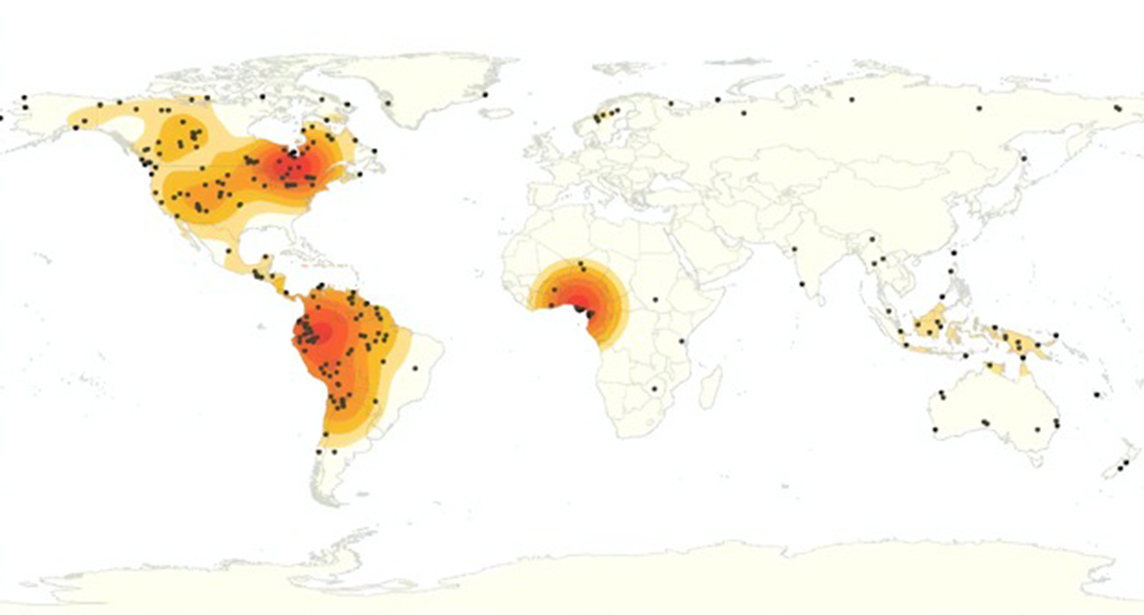
A recent paper by Álvaro Fernández-Llamazares and colleagues brought together case studies documenting pollution impacts upon indigenous peoples around the world. Map used with permission of Álvaro Fernández-Llamazares. Click to expand.
Pollution from industrial activities literally flows through Indigenous environments. Contaminants from mines and factories can move into the water, air and soil, where they affect the flora and fauna Indigenous people rely on for traditional hunting, fishing and gathering. Exposure to contaminants has been associated with stark impacts on health.
“Indigenous peoples are particularly vulnerable to the impacts of pollution due to their high and direct dependency on local natural resources, limited access to health care, and relatively low levels of governmental support,” the authors say. Diabetes, hypertension, childhood leukemia, autism, cardiovascular disease, neurological impacts, anemia, cancer, changes in age of menstruation, contaminants in breast milk and anxiety all have been associated with polluting practices on Indigenous territories, the study reports.
Many impacts, however, are not easily measured. The authors write, “While cultural impacts have often been overlooked, the literature suggests that they are substantial in extent and scope.” Environmental degradation, the study notes, has led to the gradual loss of traditional cultural practices that rely on local plants and animals that Indigenous communities hold sacred. Ceremonies that involve drinking water from historical sources can heighten exposure to contaminants. Traditional basket-weaving practices that involve holding reeds in the mouth can become a health risk, for example.
Pollution also affects the spiritual and social health of Indigenous communities. Societal roles are often intimately related to the complex relationships Indigenous peoples have with their environment. Language, culture and community roles surrounding subsistence activities have been abandoned due to contamination and degradation. Spiritual practices involving sacred water sources or sites have similarly been left unviable because of environmental pollutants.
At the same time it documented adverse impact on Indigenous peoples of exposure to contaminants and toxins that they, for the most part, did not create, the study also noted positive impacts Indigenous people have on the environment. Indigenous peoples around the world campaign and resist polluting activities through protests, resistance, demands for policy action and occupation of pollution-producing infrastructure. Many Indigenous communities lead the way at preventing environmental destruction through their direct actions as part of networks of scientists, activists and others, tapping into legal systems when possible. While often framed in public discourse simply as struggles against pollution, the study notes that these actions are directly related to issues of Indigenous sovereignty, justice and land rights.
The study also underscores how traditional management systems help prevent pollution. Indigenous spirituality and social structures tied to the environment protect, remediate and restore sacred sites and community areas. In some cases, these practices have been shown to even support recycling of nutrients in local ecosystems, and Indigenous water cultures have been key to preventing pollution in freshwater environments.
The study concludes that Indigenous people, like many marginalized or oppressed communities, are on the receiving end of disproportionate impacts of environmental pollution. At the same time, these communities are not just victims of pollution. They have long led resistance against pollution-generating industries and activities and worked to protect biodiversity around the world. To reduce the toll of pollution and to maximize the benefits of their environment-protecting actions, the researchers recommend bringing Indigenous people and their perspectives front and center in environmental action.
“Greater engagement of IPs on environmental governance can help to incorporate IPs’ social, spiritual, and customary values in environmental quality and ecosystem health,” they write. “We argue that IPs should be part of any conversation on policy options to reduce risks of pollution to human well‐being, ecosystem services, and biodiversity.” — July 30, 2020

Some things we’re glad to see grow: trees, children, our bank account balance, goodwill. But other things, not so much.
One of those “other things” is e-waste — outdated computers, broken cellphones, old appliances and other electronic castoffs of 21st-century life. According to the just-released Global E-waste Monitor 2020, last year people around the world generated 53.6 million metric tons (59.1 million tons) of e-waste — the equivalent of 9 million full-grown African elephants. That figure represents a 21% growth since 2014. The largest category of waste was small equipment, including microwaves, calculators, electronic toys and video cameras.
The report, an update on similar studies published in 2015 and 2017, was released July 2 by the Sustainable Cycles Programme, an initiative of the United Nations University, the U.N. Institute for Training and Research, the International Telecommunication Union, and the International Solid Waste Association. Interestingly, the e-waste generated in 2019 already exceeds the 52.2 million metric tons (57.5 million tons) the 2017 report projected for 2021.
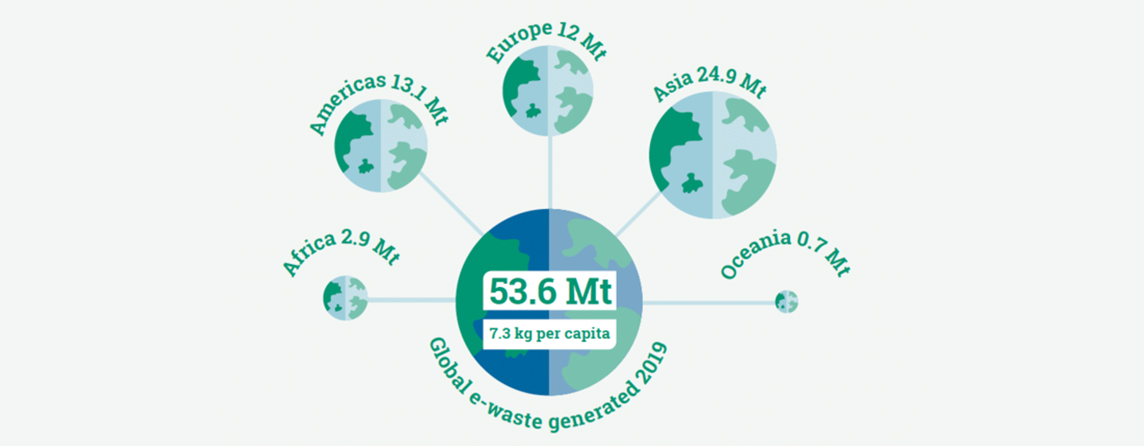
Asia led production of e-waste in 2019, followed by the Americas, Europe, Africa and Oceania. Graphic courtesy of the United Nations University/United Nations Institute for Training and Research and the International Telecommunication Union licensed under CC BY-NC-SA 3.0 IGO.
According to the report, documented e-waste recycling also increased between 2014 and 2019, from 7.5 million metric tons (8.3 million tons) to 9.3 million metric tons (10.3 million tons). About 17.4% of the discards were known to be recycled last year, compared with 17% in 2014. “The recycling activities are not keeping pace with the global growth of e-waste,” the report says.
Trashing e-waste is a problem for many reasons. It adds bulk and toxic substances to already brimming landfills. It can contaminate air and water and pose health risks for people. It contributes to the climate crisis both in the form of fossil fuel energy required to produce and handle it and in greenhouse gases released, the report says.
Not only that, but it also represents a waste of valuable raw materials, including copper, silver, gold and platinum. The report estimates that the raw materials embodied in e-waste generated in 2019 alone are worth some US$57 billion.
What to do? At the global level, the report recommends reducing the production of e-waste, improving recycling, preventing inappropriate disposal, and creating jobs aimed at refurbishing and recycling electronics. At the level of individual countries, it encourages improving understanding of the magnitude of the problem, setting goals for collection and recycling, allocating funding to reduce e-waste, and prioritizing regulations and policies.
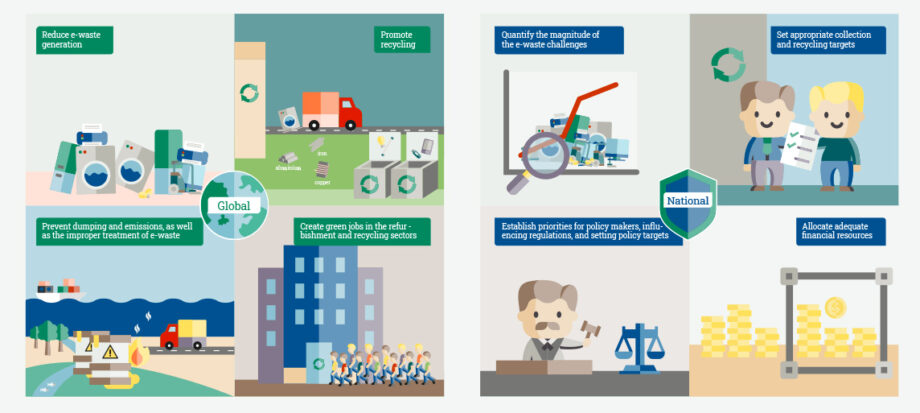
Graphic courtesy of the United Nations University/UN Institute for Training and Research and the International Telecommunication Union licensed under CC BY-NC-SA 3.0 IGO.
The report notes that although 17 countries have added e-waste policies, regulations and/or legislation since 2014, enforcement limits effectiveness.
“Having the best policy or regulatory framework in the world means nothing unless it is setting reachable targets and effectively enforced,” it says. “This is, unfortunately too often not the case, while at the same time, the overarching e-waste management system in many countries is not appropriately financed — if it is financed at all.” — July 7, 2020
Editor’s note: As we continue to share stories of importance to the long-term well-being of people and our planet, we acknowledge the profound challenges the COVID-19 pandemic poses today. We express our solidarity with all of humanity and commit to using the lessons we learn through this crisis to help shape a more positive future together.
Over the course of 20 years, a molecule of methane heats the planet by 84 times as much as a molecule of carbon dioxide. It’s one cause of the climate crisis — and more methane now hangs in Earth’s atmosphere than at any time since monitoring began, according to the U.S. National Oceanic and Atmospheric Administration (NOAA).
A preliminary tally, with final numbers slated for release by November, it’s no surprise given expert projections: More and more methane pours into the air each year, with the trend line set to keep climbing in coming decades as societies generate more garbage and companies produce more unconventional natural gas.
But a new study in the journal Environmental Research Communications finds that the world could defy that forecast and cut methane emissions using existing tools. By bringing already available technologies and techniques into wider use, the researchers say, we could avoid nearly 40% of the methane the world is projected to emit by 2050.
The researchers, a team from the International Institute for Applied Systems Analysis, estimate that without new action, methane emissions will grow by about 3 million metric tons (3.3 million tons) annually. Add that up year after year, and we’re staring down global methane emissions in 2050 that are 30% higher than in 2015.
“Mitigating methane will partly require different strategies and policies than those used to eliminate carbon dioxide from our energy systems,” paper co-author Lena Höglund Isaksson, an environmental economist at the International Institute for Applied Systems Analysis, wrote in an email to Ensia. While energy from fossil fuels is one source of methane, people also put the gas into Earth’s atmosphere when disposing of trash, growing rice, raising farm animals and doing other activities.
Improve Waste Management
Yard waste and uneaten food decomposing in landfills vent methane into the air, so the study finds lots of potential in improved garbage management. The researchers estimate that separating waste by source, with better recycling and schemes to capture energy from some trash — plus a ban on organic waste in landfills — could help the world avoid emitting 778 million metric tons (858 million tons) of methane that would otherwise make its way into the air between now and 2050.
Repair Leaks
Ultimately, fossil fuels will also need to be phased out, Höglund Isaksson writes. But in the meantime, the study finds that we could slow the growth of methane emissions by taking steps such as implementing programs to detect and repair leaks in oil production and the extraction and transportation of natural gas. Coal mines could consistently implement degasification and improve ventilation, and oil drillers could try to recover associated gas. Such steps — with leakage detection and repair being the biggest — could prevent 2.35 billion metric tons (2.57 billion tons) of methane emissions by 2050.
Modify Agricultural Practices
Methane emissions from agriculture, the study finds, will be the hardest area for technical improvements. Rice cultivation’s footprint could decrease if farmers used alternative hybrids, improved water management and added materials to improve soil properties. These steps could avoid 335 million metric tons (370 million tons) of emitted methane by 2050. Livestock breeders could continue efforts to raise more productive animals: If farmers could use fewer cows to produce the same amount of milk, for example, that would cut back on emissions. This approach could yield different emissions results in cows, pigs, sheep and other livestock.
To sketch a picture of global methane emissions, the researchers used a model that sums up the estimated emissions from different sources, including landfills, beef cattle, dairy cows and oil refineries. The researchers had to make some assumptions where data were incomplete, and there’s always uncertainty about projections of the future, although the model aligns pretty well with other estimates of future “business as usual” methane emissions.
“Getting methane emissions anywhere close to zero will be hard, especially in agriculture. The paper highlights many priorities and places to start,” writes Rob Jackson, a Stanford University Earth systems scientist who was not involved in the study, in an email to Ensia. Technical fixes identified in the paper as providing relatively large impact with relatively low cost include modifications of waste and wastewater management and fossil fuel production practices.
The new study concludes that technical solutions to cutting back on methane won’t be enough to solve the problem. People might have to change their diets, for example, and governments may need to improve health care and boost farmers’ access to credit.
To keep methane in line with international goals — and keep global temperatures from exceeding 1.5 °C (2.7 °F) above preindustrial conditions — we’ll need social and political change to reduce the amount of methane we generate. While we work toward that, technical solutions can start to make a difference. — April 16, 2020

Editor’s note: As we continue to share stories of importance to the long-term well-being of people and our planet, we acknowledge the profound challenges the coronavirus pandemic poses today. We express our solidarity with all humanity and commit to using the lessons we learn through this crisis to help shape a more positive future together.
As the novel coronavirus ravages the world — and economic signs point to a severe recession on the way — environmental emergencies remain real and capable of creating further catastrophe within just a few short years.
“At a time when many countries have to cope with economic challenges and painful trade-offs, this tests governments and businesses alike,” says Environment at a Glance 2020, a new report from the Organisation for Economic Co-operation and Development (OECD). “To be effective, policies need to be based on sound and reliable information.”
The report shines a spotlight on one such source of information that can help guide environmental protection priorities in the critical but resource-limited months and years ahead: Environment at a Glance, a comprehensive look at the state of pollution, ecosystems, natural resources and the climate crisis in the OECD’s 36 member countries.
In this moment of multiple crises, action requires knowing exactly what we’re up against. And as it becomes increasingly clear how much humans rely on ecosystems, environmental knowledge is crucial.
Environment at a Glance offers graphs, maps and downloadable spreadsheets. Users can access the platform free online and click into the domain they want to explore: air quality, water resources, garbage disposal, wildlife or climate change.
For air pollution, which kills millions of people each year, the OECD site offers data on key environmental indicators including sulfur, nitrogen and particulate matter — soot, dust and other polluting particles in the air. Also available are health statistics tracking exposure to air pollution and the deaths resulting from it.
Even as the COVID-19 pandemic underscores the importance of clean water for hand washing and healthy living, Environment at a Glance offers statistics on freshwater stress and the extent of sewage treatment. It also presents key data on freshwater withdrawals from rivers, lakes, aquifers and other sources.
The platform describes how OECD member countries manage their material resources and the resulting trash, a key link between economy and environment. Factors measured include how much waste nations produce — in total amounts, or adjusted for population and GDP — and where that garbage goes: landfills, compost bins, recycling facilities, waste-to-energy incinerators or other sources.
In its biodiversity section, the site offers fresh insights on land use, land cover, protected areas and threatened species.
On the challenge of climate change, data address energy , fossil fuel subsidies and greenhouse gas emissions from OECD nations.
The OECD reports that all its data are regularly updated and free to access. Plans are in place to introduce more indicators and new topics over time, starting with a set of statistics on ocean resources later this year.
The organization does acknowledge the need to interpret the data with some caution: National averages might obscure big deviations from the average within countries, and differences in indicators between countries aren’t always statistically significant.
Plus, OECD members are mostly wealthier nations in Europe and North America, while those countries suffering the brunt of crises like climate change — with the fewest financial resources to respond — are low-income societies in the global south.
Environment at a Glance 2020 lends context to the data and outlines how OECD countries are doing on sustainability, noting that the way people live depends on patterns of economic production that put pressure on ecosystems and natural resources.
“How does this pressure evolve over time?” the report asks. “How successful are we in breaking the link between economic growth and environmental degradation?”
Equipped with data, we can try to answer these questions — and take proactive action to save our ecosystems and ourselves. — April 2, 2020

Modern-day food production is one of the largest known contributors to the climate crisis. In fact, it generates up to 30% of known global emissions, mainly through the production of livestock.
If raising livestock for the production of meat and dairy is such a big problem, why don’t we simply switch to plant-based diets? This idea is much easier said than done.
A new study on climate change and the American diet from the Yale Program on Climate Change Communication reports that Americans don’t seem to know much about the environmental impacts of their food. “More than half of Americans think that the production of beef, pork, dairy, and/or poultry contribute to global warming at least ‘a little,’” reports the study, published through the Earth Day Network earlier this year. About 65% of Americans “rarely” or “never” research the impacts of their diets on the environment and don’t often bring these ideas up with family and friends.
But what about people who are aware of how agriculture is contributing to climate change? What is stopping them from changing their food choices?
According to the study, over half of Americans are willing to incorporate more plant-based foods into their diets. But to do so, they need to overcome a variety of barriers, such as lack of access to plant-based foods, economics, flavor and, in some cases, the effort it takes to prepare plant-based foods.
In other words, “cost, taste, and convenience.”
Lower-income households in particular report barriers. One in five lower-income individuals say that they don’t have a grocery store or market nearby. Many of these individuals also report they lack access to fresh produce, do not have the funds to purchase plant-based foods, claim they don’t know what plant-based foods to buy, and have issues with the taste.
All told, about half of Americans think plant-based meals are more expensive than other meals, and 83% say that taste is “moderately important” when it comes to their food choices. In fact, 67% of Americans say they would have no problem eating more plant-based foods if they tasted better. Most of these Americans agree that a plant-based diet would be more adoptable if the food not only tasted better, but was cheaper, more accessible, and offered more variety.
Among the individuals who would consider eating more plant-based foods, 91% would do so for their health, 71% would be motivated by a desire to reduce the environmental impact of food companies, and 64% would make changes because reducing global warming is at least “moderately important.”
As the study points out, research shows that out of 80-some top strategies for reducing global warming, eating a plant-rich diet is in the top four, yet three out of 10 Americans are unaware of the benefits that can accrue from eating a plant-based diet. Although the study itself didn’t offer any potential solutions, it is clear that not only eating more plant-based foods, but also helping people recognize the positive impacts of eating more plant-based foods, could go a long way toward reducing the threat of climate change for generations to come. — March 19, 2020

Butterflies and bees, ants and beetles, cockroaches and flies — whether loved or feared, insects help humans. Just sample the ways these animals enable life as we know it: they pollinate crops, give us new medicines, break down waste and support entire ecosystems.
Yet many insects around the world are in decline.
Writing in the journal Biological Conservation, more than two dozen scientists from countries around the world are warning of a wave of insect extinctions — and urging swift steps to curb the crisis. In a paper sketching solutions, the scientists say that to save insects we must give them the space they need to survive in the face of climate change: livable, interconnected habitats flush with a rich diversity of plant and animal life.
Ensuring that insects have room to thrive means setting aside local habitat, including parks, gardens, roadsides and the edges of farm fields. It also entails protecting continent-scale migratory passages like the corridor that monarch butterflies traverse from Minnesota to Mexico.
Not just any areas will do, the researchers caution. Insects need quality space, too. The closer an area is to the condition it was in before humans altered it for the worse, the better. “We need to move the needle of novel landscapes towards one of greater ecological integrity and more complex interaction networks,” Michael Samways, one of the paper’s authors and an insect conservationist at South Africa’s Stellenbosch University, wrote in an email to Ensia.
In South Africa, a network of conservation corridors — composed mainly of native grassland — cuts through plantations of non-native pine trees. “These corridors enable insects to ebb and flow across the landscape as they would in a nature reserve,” ecologist Michael Samways wrote in an email to Ensia. Photo courtesy of Michael Samways
Space that’s free from pollution and invasive species, with diverse plant life and a varied landscape, will best help insects — and that includes enough room for the six-legged critters to find food, seek mates and just rest.
“Part of being able to move around is to be able to ‘dodge’ natural enemies, from bats and birds, to other insects like predatory ladybugs and parasitic wasps,” Samways explained.
Our changing climate pushes many insects to evolve, move or die — a dynamic that often puts them up against the extensive transformation humans have wrought on Earth’s surface. Habitat fragmentation exacerbates the threat by limiting insects’ ability to traverse the landscapes separating them from more suitable surroundings.
But with quality space that’s connected by conservation corridors and other adequate habitat, the researchers write, insects can leave enough healthy offspring to sustain their species.
Scientists know what insects need, but scaling proven strategies up to the massive level needed to make a dent in extinctions is a different challenge entirely.
“Especially when you’re thinking about insects, you have to get public buy-in,” says DeAnna Beasley, an ecologist at the University of Tennessee at Chattanooga who was not involved in the paper. Highlighting this key hurdle, the report authors bemoaned “the current lack of sufficient collective political will and concerted effort” to save insects.
To build that will, the scientists call for greater efforts to communicate the value of insects to society. For example, Beasley has used cicadas — a kind of insect that needs “a large, contiguous space” to sustain big populations — in citizen science research, getting more data for science while building more appreciation for insects among the public. In one project the paper spotlights, students at schools in Austria successfully assessed the quality of space for butterflies, laying the groundwork for follow-up by trained scientists.
With many insects unnoticed or misunderstood, the researchers also recommend the continued use of “insect icons” and “flagship species” to promote support for conservation.
“Highlighting the animals that people know best is vital for our effort to get people engaged in invertebrate or insect conservation,” says Scott Hoffman Black, executive director of the Xerces Society for Invertebrate Conservation, who was not involved in the new paper. Black also underscores that charismatic insects are just a starting point.
“We need people to understand the consequences of not taking action and give them solutions that they can enact in their own lives,” Black says. “As well as getting them to push their governments to take action.” — March 3, 2020